Лучшие видеоролики

Jimmy addresses the latest news, like Trump urging Congress to defund NPR and PBS, the United States hammering out a deal to save TikTok and RFK Jr. sharing plans for the Administration for Healthy Americans.
The Tonight Show Starring Jimmy Fallon. Stream now on Peacock: https://bit.ly/3gZJaNy
Subscribe NOW to The Tonight Show Starring Jimmy Fallon: http://bit.ly/1nwT1aN
Watch The Tonight Show Starring Jimmy Fallon Weeknights 11:35ET/10:35c
Get more The Tonight Show Starring Jimmy Fallon: https://www.nbc.com/the-tonight-show
JIMMY FALLON ON SOCIAL
Follow Jimmy: http://Twitter.com/JimmyFallon
Like Jimmy: https://Facebook.com/JimmyFallon
Follow Jimmy: https://www.instagram.com/jimmyfallon/
Follow Jimmy on Threads: https://www.threads.net/@jimmyfallon
Follow Jimmy on TikTok: https://www.tiktok.com/@jimmyfallon
THE TONIGHT SHOW ON SOCIAL
Follow The Tonight Show: http://Twitter.com/FallonTonight
Like The Tonight Show: https://Facebook.com/FallonTonight
Follow The Tonight Show: https://www.instagram.com/fallontonight/
Follow The Tonight Show on Threads: https://www.threads.net/@fallontonight
The Tonight Show TikTok: https://www.tiktok.com/@fallontonight
The Tonight Show Starring Jimmy Fallon features hilarious highlights from the show, including comedy sketches, music parodies, celebrity interviews, ridiculous games, and, of course, Jimmy's Thank You Notes and hashtags! You'll also find behind the scenes videos and other great web exclusives.
GET MORE NBC
NBC YouTube: http://bit.ly/1dM1qBH
Like NBC: http://Facebook.com/NBC
Follow NBC: http://Twitter.com/NBC
NBC Instagram: http://instagram.com/nbctv
Trump Says Massive Group Chat Leak Is "Really Not a Big Deal," Scams Americans with 25% Auto Tariff
http://www.youtube.com/fallontonight
#FallonTonight
#JimmyFallon

Jimmy shows a couple how they can maximize their free time using Ford Mobile Service as a convenient way to get their vehicle serviced at their home or office.
The Tonight Show Starring Jimmy Fallon. Stream now on Peacock: https://bit.ly/3gZJaNy
Subscribe NOW to The Tonight Show Starring Jimmy Fallon: http://bit.ly/1nwT1aN
Watch The Tonight Show Starring Jimmy Fallon Weeknights 11:35ET/10:35c
Get more The Tonight Show Starring Jimmy Fallon: https://www.nbc.com/the-tonight-show
JIMMY FALLON ON SOCIAL
Follow Jimmy: http://Twitter.com/JimmyFallon
Like Jimmy: https://Facebook.com/JimmyFallon
Follow Jimmy: https://www.instagram.com/jimmyfallon/
Follow Jimmy on Threads: https://www.threads.net/@jimmyfallon
Follow Jimmy on TikTok: https://www.tiktok.com/@jimmyfallon
THE TONIGHT SHOW ON SOCIAL
Follow The Tonight Show: http://Twitter.com/FallonTonight
Like The Tonight Show: https://Facebook.com/FallonTonight
Follow The Tonight Show: https://www.instagram.com/fallontonight/
Follow The Tonight Show on Threads: https://www.threads.net/@fallontonight
The Tonight Show TikTok: https://www.tiktok.com/@fallontonight
The Tonight Show Starring Jimmy Fallon features hilarious highlights from the show, including comedy sketches, music parodies, celebrity interviews, ridiculous games, and, of course, Jimmy's Thank You Notes and hashtags! You'll also find behind the scenes videos and other great web exclusives.
GET MORE NBC
NBC YouTube: http://bit.ly/1dM1qBH
Like NBC: http://Facebook.com/NBC
Follow NBC: http://Twitter.com/NBC
NBC Instagram: http://instagram.com/nbctv
Ford Saves a Couple's Free Time - in Partnership with Ford | The Tonight Show Starring Jimmy Fallon
http://www.youtube.com/fallontonight
#FallonTonight
#JimmyFallon

Billie Eilish surprises Jimmy when she reveals she used to love his The Electric Company "Pocket Full of 'H's'" music video growing up, explains how she sprained her ankle (again) and describes her first eco-friendly world tour.
Subscribe NOW to The Tonight Show Starring Jimmy Fallon: http://bit.ly/1nwT1aN
Watch The Tonight Show Starring Jimmy Fallon Weeknights 11:35/10:35c
Get more The Tonight Show Starring Jimmy Fallon: https://www.nbc.com/the-tonight-show
JIMMY FALLON ON SOCIAL
Follow Jimmy: http://Twitter.com/JimmyFallon
Like Jimmy: https://Facebook.com/JimmyFallon
Follow Jimmy: https://www.instagram.com/jimmyfallon/
THE TONIGHT SHOW ON SOCIAL
Follow The Tonight Show: http://Twitter.com/FallonTonight
Like The Tonight Show: https://Facebook.com/FallonTonight
Follow The Tonight Show: https://www.instagram.com/fallontonight/
Tonight Show Tumblr: http://fallontonight.tumblr.com
The Tonight Show Starring Jimmy Fallon features hilarious highlights from the show, including comedy sketches, music parodies, celebrity interviews, ridiculous games, and, of course, Jimmy's Thank You Notes and hashtags! You'll also find behind the scenes videos and other great web exclusives.
GET MORE NBC
NBC YouTube: http://bit.ly/1dM1qBH
Like NBC: http://Facebook.com/NBC
Follow NBC: http://Twitter.com/NBC
NBC Instagram: http://instagram.com/nbc
NBC Tumblr: http://nbctv.tumblr.com/
Billie Eilish on Her Throwback Jimmy Obsession, Ankle Sprains and Green World Tour
http://www.youtube.com/fallontonight
#FallonTonight
#BillieEilish
#JimmyFallon

Jimmy and Tom Cruise act out a dramatic spy movie scene they've written together using Mad Lib words.
Subscribe NOW to The Tonight Show Starring Jimmy Fallon: http://bit.ly/1nwT1aN
Watch The Tonight Show Starring Jimmy Fallon Weeknights 11:35/10:35c
Get more Jimmy Fallon:
Follow Jimmy: http://Twitter.com/JimmyFallon
Like Jimmy: https://Facebook.com/JimmyFallon
Get more The Tonight Show Starring Jimmy Fallon:
Follow The Tonight Show: http://Twitter.com/FallonTonight
Like The Tonight Show: https://Facebook.com/FallonTonight
The Tonight Show Tumblr: http://fallontonight.tumblr.com/
Get more NBC:
NBC YouTube: http://bit.ly/1dM1qBH
Like NBC: http://Facebook.com/NBC
Follow NBC: http://Twitter.com/NBC
NBC Tumblr: http://nbctv.tumblr.com/
The Tonight Show Starring Jimmy Fallon features hilarious highlights from the show including: comedy sketches, music parodies, celebrity interviews, ridiculous games, and, of course, Jimmy's Thank You Notes and hashtags! You'll also find behind the scenes videos and other great web exclusives.
Mad Lib Theater with Tom Cruise (Mission: Impossible Edition)
http://www.youtube.com/fallontonight
#FallonTonight #MadLibTheater #JimmyFallon

Penn & Teller talk about performing their first show at the Minnesota Renaissance Festival 50 years ago and celebrating their 50th anniversary with a special Radio City show before performing an amazing magic trick with Jimmy's credit card.
The Tonight Show Starring Jimmy Fallon. Stream now on Peacock: https://bit.ly/3gZJaNy
Subscribe NOW to The Tonight Show Starring Jimmy Fallon: http://bit.ly/1nwT1aN
Watch The Tonight Show Starring Jimmy Fallon Weeknights 11:35ET/10:35c
Get more The Tonight Show Starring Jimmy Fallon: https://www.nbc.com/the-tonight-show
JIMMY FALLON ON SOCIAL
Follow Jimmy: http://Twitter.com/JimmyFallon
Like Jimmy: https://Facebook.com/JimmyFallon
Follow Jimmy: https://www.instagram.com/jimmyfallon/
Follow Jimmy on Threads: https://www.threads.net/@jimmyfallon
Follow Jimmy on TikTok: https://www.tiktok.com/@jimmyfallon
THE TONIGHT SHOW ON SOCIAL
Follow The Tonight Show: http://Twitter.com/FallonTonight
Like The Tonight Show: https://Facebook.com/FallonTonight
Follow The Tonight Show: https://www.instagram.com/fallontonight/
Follow The Tonight Show on Threads: https://www.threads.net/@fallontonight
The Tonight Show TikTok: https://www.tiktok.com/@fallontonight
The Tonight Show Starring Jimmy Fallon features hilarious highlights from the show, including comedy sketches, music parodies, celebrity interviews, ridiculous games, and, of course, Jimmy's Thank You Notes and hashtags! You'll also find behind the scenes videos and other great web exclusives.
GET MORE NBC
NBC YouTube: http://bit.ly/1dM1qBH
Like NBC: http://Facebook.com/NBC
Follow NBC: http://Twitter.com/NBC
NBC Instagram: http://instagram.com/nbctv
Penn & Teller Perform a 50th Anniversary Magic Trick with Jimmy's Credit Card (Extended)
http://www.youtube.com/fallontonight
#FallonTonight
#PennandTeller
#JimmyFallon

Jimmy shows a clip from "Jacob's Patience," the Canadian soap opera where he and Sandra Bullock used mannequin arms instead of their real arms.
Subscribe NOW to The Tonight Show Starring Jimmy Fallon: http://bit.ly/1nwT1aN
Watch The Tonight Show Starring Jimmy Fallon Weeknights 11:35/10:35c
Get more Jimmy Fallon:
Follow Jimmy: http://Twitter.com/JimmyFallon
Like Jimmy: https://Facebook.com/JimmyFallon
Get more The Tonight Show Starring Jimmy Fallon:
Follow The Tonight Show: http://Twitter.com/FallonTonight
Like The Tonight Show: https://Facebook.com/FallonTonight
The Tonight Show Tumblr: http://fallontonight.tumblr.com/
Get more NBC:
NBC YouTube: http://bit.ly/1dM1qBH
Like NBC: http://Facebook.com/NBC
Follow NBC: http://Twitter.com/NBC
NBC Tumblr: http://nbctv.tumblr.com/
The Tonight Show Starring Jimmy Fallon features hilarious highlights from the show including: comedy sketches, music parodies, celebrity interviews, ridiculous games, and, of course, Jimmy's Thank You Notes and hashtags! You'll also find behind the scenes videos and other great web exclusives.
"Real People, Fake Arms" with Sandra Bullock
http://www.youtube.com/fallontonight

Jimmy addresses Donald Trump’s shady comments about Florida Gov. Ron DeSantis and the latest viral TikTok recipe for chicken cooked with Nyquil.
The Tonight Show Starring Jimmy Fallon. Stream now on Peacock: https://bit.ly/3gZJaNy
Subscribe NOW to The Tonight Show Starring Jimmy Fallon: http://bit.ly/1nwT1aN
Watch The Tonight Show Starring Jimmy Fallon Weeknights 11:35/10:35c
Get more The Tonight Show Starring Jimmy Fallon: https://www.nbc.com/the-tonight-show
JIMMY FALLON ON SOCIAL
Follow Jimmy: http://Twitter.com/JimmyFallon
Like Jimmy: https://Facebook.com/JimmyFallon
Follow Jimmy: https://www.instagram.com/jimmyfallon/
THE TONIGHT SHOW ON SOCIAL
Follow The Tonight Show: http://Twitter.com/FallonTonight
Like The Tonight Show: https://Facebook.com/FallonTonight
Follow The Tonight Show: https://www.instagram.com/fallontonight/
Tonight Show Tumblr: http://fallontonight.tumblr.com
The Tonight Show Starring Jimmy Fallon features hilarious highlights from the show, including comedy sketches, music parodies, celebrity interviews, ridiculous games, and, of course, Jimmy's Thank You Notes and hashtags! You'll also find behind the scenes videos and other great web exclusives.
GET MORE NBC
NBC YouTube: http://bit.ly/1dM1qBH
Like NBC: http://Facebook.com/NBC
Follow NBC: http://Twitter.com/NBC
NBC Instagram: http://instagram.com/nbc
NBC Tumblr: http://nbctv.tumblr.com/
Trump Trashes DeSantis, TikTok’s Unhinged Nyquil Chicken Recipe | The Tonight Show
http://www.youtube.com/fallontonight
#FallonTonight
#JimmyFallon

Jimmy reads his favorite tweets with the hashtags #AirportFail, #WorstLieIEverTold and #Badvice.
The Tonight Show Starring Jimmy Fallon. Stream now on Peacock: https://bit.ly/3gZJaNy
Subscribe NOW to The Tonight Show Starring Jimmy Fallon: http://bit.ly/1nwT1aN
Watch The Tonight Show Starring Jimmy Fallon Weeknights 11:35/10:35c
Get more The Tonight Show Starring Jimmy Fallon: https://www.nbc.com/the-tonight-show
JIMMY FALLON ON SOCIAL
Follow Jimmy: http://Twitter.com/JimmyFallon
Like Jimmy: https://Facebook.com/JimmyFallon
Follow Jimmy: https://www.instagram.com/jimmyfallon/
THE TONIGHT SHOW ON SOCIAL
Follow The Tonight Show: http://Twitter.com/FallonTonight
Like The Tonight Show: https://Facebook.com/FallonTonight
Follow The Tonight Show: https://www.instagram.com/fallontonight/
Tonight Show Tumblr: http://fallontonight.tumblr.com
The Tonight Show Starring Jimmy Fallon features hilarious highlights from the show, including comedy sketches, music parodies, celebrity interviews, ridiculous games, and, of course, Jimmy's Thank You Notes and hashtags! You'll also find behind the scenes videos and other great web exclusives.
GET MORE NBC
NBC YouTube: http://bit.ly/1dM1qBH
Like NBC: http://Facebook.com/NBC
Follow NBC: http://Twitter.com/NBC
NBC Instagram: http://instagram.com/nbc
NBC Tumblr: http://nbctv.tumblr.com/
Hashtags Rewind: #AirportFail, #WorstLieIEverTold, #Badvice | The Tonight Show http://www.youtube.com/fallontonight
#FallonTonight
#JimmyFallon

Eddie Murphy looks back on returning to SNL after 35 years, reminisces about his audition and reveals the one time he went to a show afterparty as a teen because of Johnny Cash.
Subscribe NOW to The Tonight Show Starring Jimmy Fallon: http://bit.ly/1nwT1aN
Watch The Tonight Show Starring Jimmy Fallon Weeknights 11:35/10:35c
Get more The Tonight Show Starring Jimmy Fallon: https://www.nbc.com/the-tonight-show
JIMMY FALLON ON SOCIAL
Follow Jimmy: http://Twitter.com/JimmyFallon
Like Jimmy: https://Facebook.com/JimmyFallon
Follow Jimmy: https://www.instagram.com/jimmyfallon/
THE TONIGHT SHOW ON SOCIAL
Follow The Tonight Show: http://Twitter.com/FallonTonight
Like The Tonight Show: https://Facebook.com/FallonTonight
Follow The Tonight Show: https://www.instagram.com/fallontonight/
Tonight Show Tumblr: http://fallontonight.tumblr.com
The Tonight Show Starring Jimmy Fallon features hilarious highlights from the show, including comedy sketches, music parodies, celebrity interviews, ridiculous games, and, of course, Jimmy's Thank You Notes and hashtags! You'll also find behind the scenes videos and other great web exclusives.
GET MORE NBC
NBC YouTube: http://bit.ly/1dM1qBH
Like NBC: http://Facebook.com/NBC
Follow NBC: http://Twitter.com/NBC
NBC Instagram: http://instagram.com/nbc
NBC Tumblr: http://nbctv.tumblr.com/
Eddie Murphy Remembers His SNL Audition, Partying with Johnny Cash
http://www.youtube.com/fallontonight
#FallonTonight
#EddieMurphy
#JimmyFallon
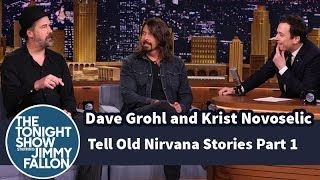
Ahead of their Rock and Roll Hall of Fame induction, Nirvana members Dave Grohl and Krist Novoselic tell stories from the early days and remember their friend Kurt Cobain.
Subscribe NOW to The Tonight Show Starring Jimmy Fallon: http://bit.ly/1nwT1aN
Watch The Tonight Show Starring Jimmy Fallon Weeknights 11:35/10:35c
Get more Jimmy Fallon:
Follow Jimmy: http://Twitter.com/JimmyFallon
Like Jimmy: https://Facebook.com/JimmyFallon
Get more The Tonight Show Starring Jimmy Fallon:
Follow The Tonight Show: http://Twitter.com/FallonTonight
Like The Tonight Show: https://Facebook.com/FallonTonight
The Tonight Show Tumblr: http://fallontonight.tumblr.com/
Get more NBC:
NBC YouTube: http://bit.ly/1dM1qBH
Like NBC: http://Facebook.com/NBC
Follow NBC: http://Twitter.com/NBC
NBC Tumblr: http://nbctv.tumblr.com/
The Tonight Show Starring Jimmy Fallon features hilarious highlights from the show including: comedy sketches, music parodies, celebrity interviews, ridiculous games, and, of course, Jimmy's Thank You Notes and hashtags! You'll also find behind the scenes videos and other great web exclusives.
Dave Grohl and Krist Novoselic Tell Old Nirvana Stories - Part 1
http://www.youtube.com/fallontonight

Jimmy reads his favorite tweets with the hashtag #MyWeirdTeacher.
Subscribe NOW to The Tonight Show Starring Jimmy Fallon: http://bit.ly/1nwT1aN
Watch The Tonight Show Starring Jimmy Fallon Weeknights 11:35/10:35c
Get more Jimmy Fallon:
Follow Jimmy: http://Twitter.com/JimmyFallon
Like Jimmy: https://Facebook.com/JimmyFallon
Get more The Tonight Show Starring Jimmy Fallon:
Follow The Tonight Show: http://Twitter.com/FallonTonight
Like The Tonight Show: https://Facebook.com/FallonTonight
The Tonight Show Tumblr: http://fallontonight.tumblr.com/
Get more NBC:
NBC YouTube: http://bit.ly/1dM1qBH
Like NBC: http://Facebook.com/NBC
Follow NBC: http://Twitter.com/NBC
NBC Tumblr: http://nbctv.tumblr.com/
The Tonight Show Starring Jimmy Fallon features hilarious highlights from the show including: comedy sketches, music parodies, celebrity interviews, ridiculous games, and, of course, Jimmy's Thank You Notes and hashtags! You'll also find behind the scenes videos and other great web exclusives.
Hashtags: #MyWeirdTeacher
http://www.youtube.com/fallontonight

Jimmy and Gal Gadot take turns trying to stump each other about what items are hidden inside their mystery boxes.
Subscribe NOW to The Tonight Show Starring Jimmy Fallon: http://bit.ly/1nwT1aN
Watch The Tonight Show Starring Jimmy Fallon Weeknights 11:35/10:35c
Get more Jimmy Fallon:
Follow Jimmy: http://Twitter.com/JimmyFallon
Like Jimmy: https://Facebook.com/JimmyFallon
Get more The Tonight Show Starring Jimmy Fallon:
Follow The Tonight Show: http://Twitter.com/FallonTonight
Like The Tonight Show: https://Facebook.com/FallonTonight
The Tonight Show Tumblr: http://fallontonight.tumblr.com/
Get more NBC:
NBC YouTube: http://bit.ly/1dM1qBH
Like NBC: http://Facebook.com/NBC
Follow NBC: http://Twitter.com/NBC
NBC Tumblr: http://nbctv.tumblr.com/
The Tonight Show Starring Jimmy Fallon features hilarious highlights from the show including: comedy sketches, music parodies, celebrity interviews, ridiculous games, and, of course, Jimmy's Thank You Notes and hashtags! You'll also find behind the scenes videos and other great web exclusives.
Box of Lies with Gal Gadot
http://www.youtube.com/fallontonight
#FallonTonight #BoxOfLies #JimmyFallon

Michelle Zauner of Japanese Breakfast talks about the story behind her song "Jimmy Fallon Big!" and the inspiration behind her book, Crying in H Mart: A Memoir, before eating hot dogs with Jimmy in honor of her going to Nathan's right after the Grammy Awards.
The Tonight Show Starring Jimmy Fallon. Stream now on Peacock: https://bit.ly/3gZJaNy
Subscribe NOW to The Tonight Show Starring Jimmy Fallon: http://bit.ly/1nwT1aN
Watch The Tonight Show Starring Jimmy Fallon Weeknights 11:35/10:35c
Get more The Tonight Show Starring Jimmy Fallon: https://www.nbc.com/the-tonight-show
JIMMY FALLON ON SOCIAL
Follow Jimmy: http://Twitter.com/JimmyFallon
Like Jimmy: https://Facebook.com/JimmyFallon
Follow Jimmy: https://www.instagram.com/jimmyfallon/
THE TONIGHT SHOW ON SOCIAL
Follow The Tonight Show: http://Twitter.com/FallonTonight
Like The Tonight Show: https://Facebook.com/FallonTonight
Follow The Tonight Show: https://www.instagram.com/fallontonight/
Tonight Show Tumblr: http://fallontonight.tumblr.com
The Tonight Show Starring Jimmy Fallon features hilarious highlights from the show, including comedy sketches, music parodies, celebrity interviews, ridiculous games, and, of course, Jimmy's Thank You Notes and hashtags! You'll also find behind the scenes videos and other great web exclusives.
GET MORE NBC
NBC YouTube: http://bit.ly/1dM1qBH
Like NBC: http://Facebook.com/NBC
Follow NBC: http://Twitter.com/NBC
NBC Instagram: http://instagram.com/nbc
NBC Tumblr: http://nbctv.tumblr.com/
Michelle Zauner of Japanese Breakfast Shares Her Grammy Goal to Get a Picture with BTS (Extended)
http://www.youtube.com/fallontonight
#FallonTonight
#MichelleZauner
#JapaneseBreakfast

Jimmy puts Kieran Culkin’s Succession knowledge to the test by reading off quotes from the show and having him guess what character said it.
The Tonight Show Starring Jimmy Fallon. Stream now on Peacock: https://bit.ly/3gZJaNy
Subscribe NOW to The Tonight Show Starring Jimmy Fallon: http://bit.ly/1nwT1aN
Watch The Tonight Show Starring Jimmy Fallon Weeknights 11:35/10:35c
Get more The Tonight Show Starring Jimmy Fallon: https://www.nbc.com/the-tonight-show
JIMMY FALLON ON SOCIAL
Follow Jimmy: http://Twitter.com/JimmyFallon
Like Jimmy: https://Facebook.com/JimmyFallon
Follow Jimmy: https://www.instagram.com/jimmyfallon/
THE TONIGHT SHOW ON SOCIAL
Follow The Tonight Show: http://Twitter.com/FallonTonight
Like The Tonight Show: https://Facebook.com/FallonTonight
Follow The Tonight Show: https://www.instagram.com/fallontonight/
Tonight Show Tumblr: http://fallontonight.tumblr.com
The Tonight Show Starring Jimmy Fallon features hilarious highlights from the show, including comedy sketches, music parodies, celebrity interviews, ridiculous games, and, of course, Jimmy's Thank You Notes and hashtags! You'll also find behind the scenes videos and other great web exclusives.
GET MORE NBC
NBC YouTube: http://bit.ly/1dM1qBH
Like NBC: http://Facebook.com/NBC
Follow NBC: http://Twitter.com/NBC
NBC Instagram: http://instagram.com/nbc
NBC Tumblr: http://nbctv.tumblr.com/
Kieran Culkin Tests His Succession Quote Knowledge | The Tonight Show Starring Jimmy Fallon
http://www.youtube.com/fallontonight
#FallonTonight
#KieranCulkin
#JimmyFallon

Colson Baker aka Machine Gun Kelly and Jimmy act out a scene from a superhero movie they've written together using Mad Lib words.
The Tonight Show Starring Jimmy Fallon. Stream now on Peacock: https://bit.ly/3gZJaNy
Subscribe NOW to The Tonight Show Starring Jimmy Fallon: http://bit.ly/1nwT1aN
Watch The Tonight Show Starring Jimmy Fallon Weeknights 11:35/10:35c
Get more The Tonight Show Starring Jimmy Fallon: https://www.nbc.com/the-tonight-show
JIMMY FALLON ON SOCIAL
Follow Jimmy: http://Twitter.com/JimmyFallon
Like Jimmy: https://Facebook.com/JimmyFallon
Follow Jimmy: https://www.instagram.com/jimmyfallon/
THE TONIGHT SHOW ON SOCIAL
Follow The Tonight Show: http://Twitter.com/FallonTonight
Like The Tonight Show: https://Facebook.com/FallonTonight
Follow The Tonight Show: https://www.instagram.com/fallontonight/
Tonight Show Tumblr: http://fallontonight.tumblr.com
The Tonight Show Starring Jimmy Fallon features hilarious highlights from the show, including comedy sketches, music parodies, celebrity interviews, ridiculous games, and, of course, Jimmy's Thank You Notes and hashtags! You'll also find behind the scenes videos and other great web exclusives.
GET MORE NBC
NBC YouTube: http://bit.ly/1dM1qBH
Like NBC: http://Facebook.com/NBC
Follow NBC: http://Twitter.com/NBC
NBC Instagram: http://instagram.com/nbc
NBC Tumblr: http://nbctv.tumblr.com/
Mad Lib Theater with Colson Baker aka Machine Gun Kelly | The Tonight Show Starring Jimmy Fallon
http://www.youtube.com/fallontonight
#ColsonBaker
#MachineGunKelly
#JimmyFallon
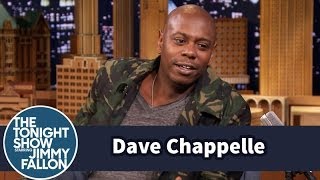
Jimmy talks to Dave about his return to New York for a nine show run at Radio City Music Hall and where he first met his old pals The Roots and Kanye West.
Subscribe NOW to The Tonight Show Starring Jimmy Fallon: http://bit.ly/1nwT1aN
Watch The Tonight Show Starring Jimmy Fallon Weeknights 11:35/10:35c
Get more Jimmy Fallon:
Follow Jimmy: http://Twitter.com/JimmyFallon
Like Jimmy: https://Facebook.com/JimmyFallon
Get more The Tonight Show Starring Jimmy Fallon:
Follow The Tonight Show: http://Twitter.com/FallonTonight
Like The Tonight Show: https://Facebook.com/FallonTonight
The Tonight Show Tumblr: http://fallontonight.tumblr.com/
Get more NBC:
NBC YouTube: http://bit.ly/1dM1qBH
Like NBC: http://Facebook.com/NBC
Follow NBC: http://Twitter.com/NBC
NBC Tumblr: http://nbctv.tumblr.com/
The Tonight Show Starring Jimmy Fallon features hilarious highlights from the show including: comedy sketches, music parodies, celebrity interviews, ridiculous games, and, of course, Jimmy's Thank You Notes and hashtags! You'll also find behind the scenes videos and other great web exclusives.
Dave Chappelle Describes His First Encounter with Kanye West
http://www.youtube.com/fallontonight

Christoph Waltz puts Jimmy to the test with a quiz on the definitions of long German words, like "bezirksschornsteinfegermeister."
Subscribe NOW to The Tonight Show Starring Jimmy Fallon: http://bit.ly/1nwT1aN
Watch The Tonight Show Starring Jimmy Fallon Weeknights 11:35/10:35c
Get more Jimmy Fallon:
Follow Jimmy: http://Twitter.com/JimmyFallon
Like Jimmy: https://Facebook.com/JimmyFallon
Get more The Tonight Show Starring Jimmy Fallon:
Follow The Tonight Show: http://Twitter.com/FallonTonight
Like The Tonight Show: https://Facebook.com/FallonTonight
The Tonight Show Tumblr: http://fallontonight.tumblr.com/
Get more NBC:
NBC YouTube: http://bit.ly/1dM1qBH
Like NBC: http://Facebook.com/NBC
Follow NBC: http://Twitter.com/NBC
NBC Tumblr: http://nbctv.tumblr.com/
The Tonight Show Starring Jimmy Fallon features hilarious highlights from the show including: comedy sketches, music parodies, celebrity interviews, ridiculous games, and, of course, Jimmy's Thank You Notes and hashtags! You'll also find behind the scenes videos and other great web exclusives.
Christoph Waltz Gives Jimmy Fallon a German Words Quiz
http://www.youtube.com/fallontonight
#FallonTonight
#ChristophWaltz
#JimmyFallon

Jimmy and Jennifer take turns trying to stump each other about what item is hidden inside their mystery boxes.
Subscribe NOW to The Tonight Show Starring Jimmy Fallon: http://bit.ly/1nwT1aN
Watch The Tonight Show Starring Jimmy Fallon Weeknights 11:35/10:35c
Get more Jimmy Fallon:
Follow Jimmy: http://Twitter.com/JimmyFallon
Like Jimmy: https://Facebook.com/JimmyFallon
Get more The Tonight Show Starring Jimmy Fallon:
Follow The Tonight Show: http://Twitter.com/FallonTonight
Like The Tonight Show: https://Facebook.com/FallonTonight
The Tonight Show Tumblr: http://fallontonight.tumblr.com/
Get more NBC:
NBC YouTube: http://bit.ly/1dM1qBH
Like NBC: http://Facebook.com/NBC
Follow NBC: http://Twitter.com/NBC
NBC Tumblr: http://nbctv.tumblr.com/
The Tonight Show Starring Jimmy Fallon features hilarious highlights from the show including: comedy sketches, music parodies, celebrity interviews, ridiculous games, and, of course, Jimmy's Thank You Notes and hashtags! You'll also find behind the scenes videos and other great web exclusives.
Box of Lies with Jennifer Lawrence
http://www.youtube.com/fallontonight
#JenniferLawrence #FallonTonight #JimmyFallon

Jimmy teams up with Saoirse Ronan against Timothée Chalamet and The Roots' Tarik Trotter for a game of Catchphrase.
Subscribe NOW to The Tonight Show Starring Jimmy Fallon: http://bit.ly/1nwT1aN
Watch The Tonight Show Starring Jimmy Fallon Weeknights 11:35/10:35c
Get more Jimmy Fallon:
Follow Jimmy: http://Twitter.com/JimmyFallon
Like Jimmy: https://Facebook.com/JimmyFallon
Get more The Tonight Show Starring Jimmy Fallon:
Follow The Tonight Show: http://Twitter.com/FallonTonight
Like The Tonight Show: https://Facebook.com/FallonTonight
The Tonight Show Tumblr: http://fallontonight.tumblr.com/
Get more NBC:
NBC YouTube: http://bit.ly/1dM1qBH
Like NBC: http://Facebook.com/NBC
Follow NBC: http://Twitter.com/NBC
NBC Tumblr: http://nbctv.tumblr.com/
The Tonight Show Starring Jimmy Fallon features hilarious highlights from the show including: comedy sketches, music parodies, celebrity interviews, ridiculous games, and, of course, Jimmy's Thank You Notes and hashtags! You'll also find behind the scenes videos and other great web exclusives.
Catchphrase with Saoirse Ronan and Timothée Chalamet
http://www.youtube.com/fallontonight

Penn & Teller stun Jimmy and the Tonight Show audience with a card trick that leaves everyone deflated and seeing double.
Subscribe NOW to The Tonight Show Starring Jimmy Fallon: http://bit.ly/1nwT1aN
Watch The Tonight Show Starring Jimmy Fallon Weeknights 11:35/10:35c
Get more Jimmy Fallon:
Follow Jimmy: http://Twitter.com/JimmyFallon
Like Jimmy: https://Facebook.com/JimmyFallon
Get more The Tonight Show Starring Jimmy Fallon:
Follow The Tonight Show: http://Twitter.com/FallonTonight
Like The Tonight Show: https://Facebook.com/FallonTonight
The Tonight Show Tumblr: http://fallontonight.tumblr.com/
Get more NBC:
NBC YouTube: http://bit.ly/1dM1qBH
Like NBC: http://Facebook.com/NBC
Follow NBC: http://Twitter.com/NBC
NBC Tumblr: http://nbctv.tumblr.com/
NBC Google+: https://plus.google.com/+NBC/posts
The Tonight Show Starring Jimmy Fallon features hilarious highlights from the show including: comedy sketches, music parodies, celebrity interviews, ridiculous games, and, of course, Jimmy's Thank You Notes and hashtags! You'll also find behind the scenes videos and other great web exclusives.
Penn & Teller Pull Off Their "Flates" Card Trick Rocking Inflatable Suits
http://www.youtube.com/fallontonight